
Buyer guide Lombok & Sumbawa guide
A practical starting point for overseas buyers who want to understand the property, the transaction route and the project before committing.
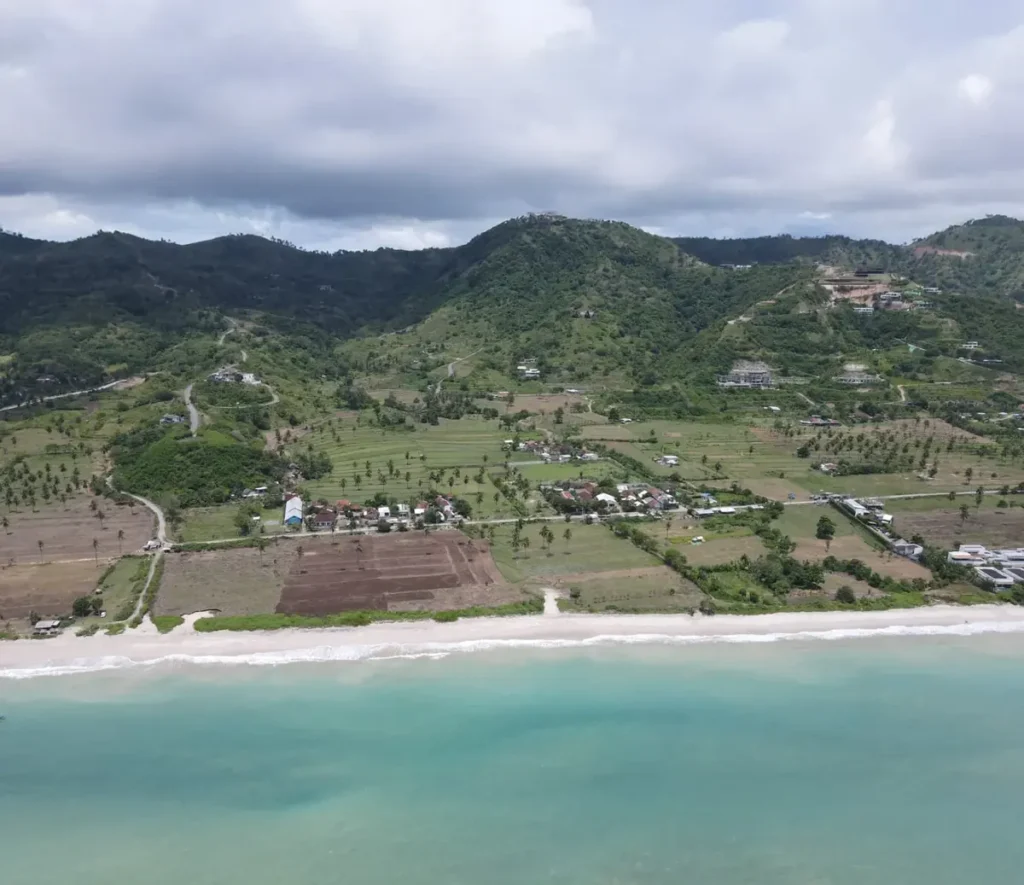
Lombok attracts international buyers with coastal landscapes, surf locations and growing hospitality areas. The most important part of buying land in Lombok as a foreigner is not finding the most dramatic view; it is verifying that the land, the transaction structure and the intended use all match your plans.
This guide is educational only. Indonesian property rules and local planning requirements can change, so an independent Indonesian notary, lawyer, surveyor and relevant authority should review the specific property before you sign or pay.
1. Define the project before viewing land
Write down the purpose of the purchase: a private home, a villa, a surf stay, a small resort, agricultural use or long-term holding. The answer affects the location, access, utilities, permits, budget and structure you should investigate. It also helps you compare listings consistently instead of choosing only on price per are.
- Target area and acceptable travel time from an airport or town
- Minimum land size, road frontage and topography
- Preferred title or transaction structure, subject to professional advice
- Utilities required for the project, including power, water and internet
- Purchase budget plus taxes, professional fees, construction and contingency
2. Understand the ownership and transaction route
A foreign buyer should not assume that a listing labelled “freehold” can be purchased in the same way as a local buyer. Possible routes can involve leasehold, use rights, or a properly established Indonesian company structure, depending on the buyer, the asset and current regulations. Ask an independent professional to explain the available route and its costs in writing.
Do not rely on a nominee arrangement or a promise that a structure is “100% safe”. A good adviser should explain the rights, obligations, term, renewal conditions, control, exit plan and risks in plain language.
3. Check the title, boundaries and seller authority
Request copies of the relevant land documents and compare the registered owner with the person or company receiving the deposit. A surveyor should confirm the boundaries on the ground, while the notary should check the document chain, encumbrances, taxes and any required consent. Make sure the advertised area is not simply an estimate from a map or informal measurement.
4. Verify access, zoning and permitted use
A beautiful plot may be difficult to develop if access crosses another parcel, the road is not legally available, or the intended project is inconsistent with local planning rules. Confirm the road connection, width, drainage, slope, coastal restrictions, zoning, building requirements and any environmental or community considerations.
5. Price the land as a complete project
Compare the purchase price with the cost of retaining walls, grading, a new access road, power connections, water storage, drainage and waste management. Coastal and hillside land can have additional engineering requirements. A simple spreadsheet with three scenarios—minimum, realistic and high—will make the decision clearer.
6. Complete a site visit and keep a written record
Visit in different weather if possible. Photograph the access route, neighbouring boundaries, drainage, views, utilities and any signs of erosion. Record the date, people present and documents reviewed. If a listing interests you, you can contact our team to arrange the next conversation, then appoint your own independent advisers before committing.
Final checklist
Before an offer becomes binding, confirm the title and seller, measured boundaries, legal access, intended use, utilities, taxes, transaction structure, payment milestones and exit conditions. You can also browse current land listings in Lombok and Sumbawa and compare each property using the same checklist.
Editorial note: Distances, prices and suitability statements on listings are approximate unless independently verified. Treat professional due diligence as part of the purchase budget.
Ready to compare a property?
Use this guide alongside the listing details, then arrange an independent site visit and professional review before making a commitment.
Editorial note: This guide is general education, not legal, tax, planning or investment advice. Requirements and property facts should be verified with independent professionals.
