
SUMBA ACCESS & UTILITIES
A property price is the start of a budget. Understand the connections and site works needed for the way you intend to use the land.
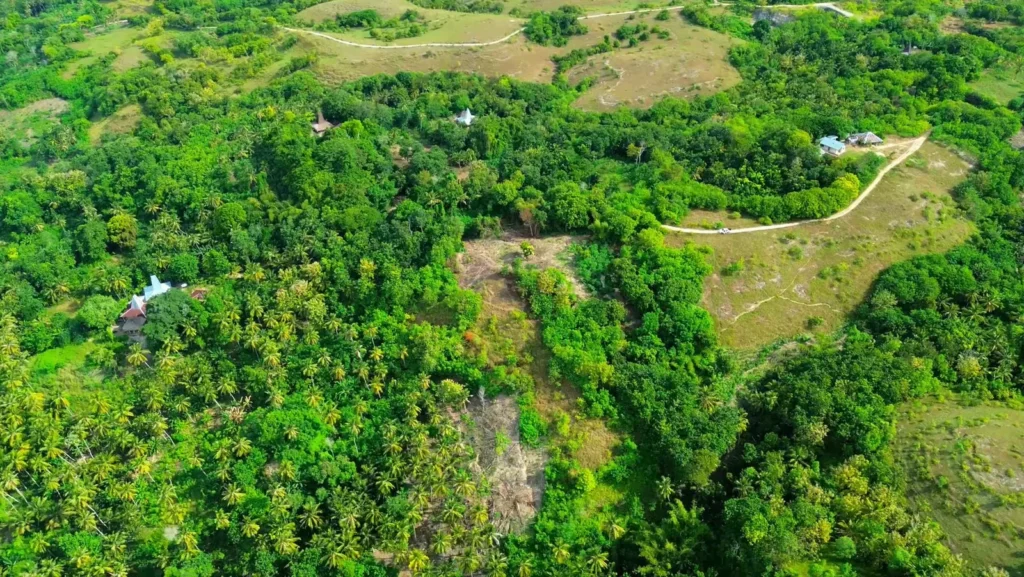
Sumba land access and utilities deserve attention early in a property search. A photograph can show a road, a nearby building or green surroundings, but it cannot confirm the cost or reliability of the services needed by a particular project. Ask specific questions before assuming that a site is ready to build or operate.
This planning guide helps you prepare a practical brief for the property team and the professionals who will assess the site. Use it alongside the Sumba listings and keep the advertised land price separate from the cost of making the plot suitable for your intended use.
Start with the route from the public road
Trace the complete approach to the property. Record the surface, width, gradients and any gates or shared sections. Discuss how materials and construction vehicles would reach the building area, then how guests, residents or maintenance teams would use the route after completion.
Ask who is responsible for maintaining the route and what written evidence supports the access arrangements. A visible track is useful information about the site, but access rights and obligations need their own review. Include drainage and any required road works in the technical assessment.
Define the electricity demand before asking for a connection
A small home and a hospitality property may have very different requirements. Prepare a preliminary list of the equipment and activities your concept involves, including water pumping, cooling, kitchen equipment and lighting. Have an appropriate professional develop that into a realistic power requirement.
Ask the relevant provider about connection feasibility, available capacity, the connection point and any works or costs required. If alternative or backup power is being considered, assess its installation, maintenance and operating costs against the actual needs of the site.
Plan the water system and its ongoing use
Ask what sources are available, how supply changes over time and what evidence exists about water quality and yield. Depending on the proposed system, professional checks may be needed before deciding on treatment, storage and distribution. Avoid treating a nearby well or a verbal assurance as proof of a dependable supply for your project.
Consider the space required for tanks, pumps and service access. Identify who would maintain the system and how replacement parts or specialist help would be obtained. Build the operating arrangements into the concept, rather than considering only the initial installation.
Give drainage and wastewater their own space
Walk the low points and observe how the proposed roads and buildings relate to water movement. Ask about previous conditions and arrange the technical review needed for the landform and intended construction. Design decisions should follow that assessment.
Discuss wastewater treatment, disposal and maintenance with qualified professionals, along with the requirements applicable to the particular site and use. Keep service areas accessible and consider how they affect the building layout and neighbouring properties.
Check communications and essential service journeys
For remote work or guest accommodation, test available phone networks during a visit and ask providers about suitable internet options at the exact location. Compare both performance and the practical support available if service stops working. An advertised coverage map is a starting point for enquiries.
Record the actual route to supplies and services important to the proposed use. Your own visit notes are more useful for planning than a single promotional travel time. Consider how the site would function during construction and normal operation.
Turn the unknowns into a practical budget
- Separate land asking price, professional reviews and site works.
- Request written estimates with a defined scope and assumptions.
- Identify which costs depend on surveys, approvals or provider confirmation.
- Include maintenance responsibilities and operating costs in the comparison.
- Keep unresolved items visible before discussing an offer.
Use the Sumba property search to make a shortlist, then send the team your project brief and infrastructure questions. The Sumba buying guide provides the broader document and site-review checklist.
Property examples to compare
Use these published listings to build a viewing shortlist: Wanokaka Land – 17,000 m² | Tourism Route near Waikabubak; Lapopu Land – 12,392 m² | Tourism Route Setting in Parirara. Check the individual photos, location, land size and asking price, then ask our team which site details need to be confirmed during a visit.
These examples illustrate the options in our portfolio. Access, utilities, boundaries and legal suitability still need property-specific checks.
Ready to compare Sumba properties?
Bring your shortlist and questions to a site visit, then arrange the independent reviews needed for your decision.
This article is general property information. Review the documents, site conditions and intended use with the appropriate independent professionals before making a commitment.
