
SUMBA LAND BUYING GUIDE
Compare Sumba land by location, site conditions, access and documents. Learn what to request before viewing beachfront, hillside or inland plots.
Comparing land in Sumba starts with the property and the purpose you have in mind. A beachfront setting, a hillside outlook and an inland parcel present different questions about access, infrastructure, construction and day-to-day use. Our Sumba land catalogue brings together the published properties in our partner portfolio so you can compare their photos, locations, surveyed areas and asking prices.
Start with location and the actual site
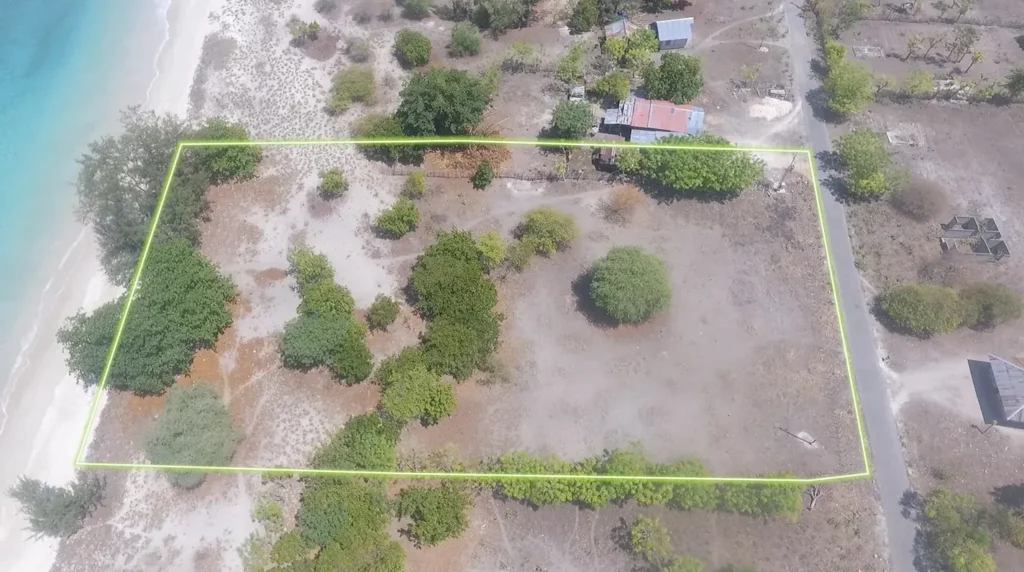
The current portfolio includes beachfront plots in Lenang, properties around Rua, Wanokaka and Parirara, and larger inland land in West Sumba. Use the Sumba search filters to narrow the options by location and land size. A photograph is useful for an initial comparison, but it cannot establish legal boundaries, road rights, drainage conditions or a building envelope.
Arrange a site visit with a written list of questions. Walk the boundaries where access permits, identify neighbouring uses and check how vehicles reach the property. Ask about seasonal access, water flow and any areas requiring further technical assessment.
Confirm the title and the seller’s authority
Request the ownership documents, the seller’s identity and authority to transact, and any existing agreements affecting the land. Have an independent notary or appropriately qualified legal adviser review the documents and coordinate any required checks with the relevant authorities. The wording “freehold or leasehold” in a listing describes stated options; it does not determine which transaction structure is appropriate for an individual buyer.
Check measurements, boundaries and access
- Compare the advertised area with the relevant documents and a professional survey.
- Identify boundary markers and resolve discrepancies before discussing a final transaction.
- Confirm whether road access is legally documented, its width and who maintains it.
- Ask about rights or agreements affecting shared access, utilities and neighbouring land.
Test the intended use before budgeting a project
Discuss planning, permitted use, any coastal constraints and building requirements with independent professionals and the relevant local authorities. Assess slope, ground conditions, drainage and suitable building areas. For beachfront land, include shoreline conditions and maintenance considerations in the site assessment rather than relying on a map or drone photograph alone.
Request practical information about electricity, water, wastewater, internet and road works. Obtain estimates for the infrastructure your project actually needs. Land with a distinctive view may still involve substantial preparation and operating costs.
Read source prices and currency conversions correctly
Sumba properties in this partner portfolio use USD asking prices. The website also displays indicative currency conversions to make comparisons easier. Conversions use manual reference rates and may differ from the rate available when funds are transferred. Confirm the source asking price, availability, taxes, professional fees and payment terms directly with the team before making an offer.
Prepare a clear property enquiry
Send the listing name and land size with your enquiry so the team can identify the correct plot. Explain the intended use, preferred area and questions you would like answered during a viewing. Keep a record of the documents received, unresolved questions and any conditions you expect to include in a proposed transaction.
Explore published Sumba properties, compare land across all three islands, or contact our team about a Sumba viewing. For a broader checklist, browse our land buying guides.
This guide is general property information. It does not replace legal, tax, planning or engineering advice for a particular buyer or plot. Verify the documents, site conditions and current requirements with independent professionals before committing to a purchase.
