
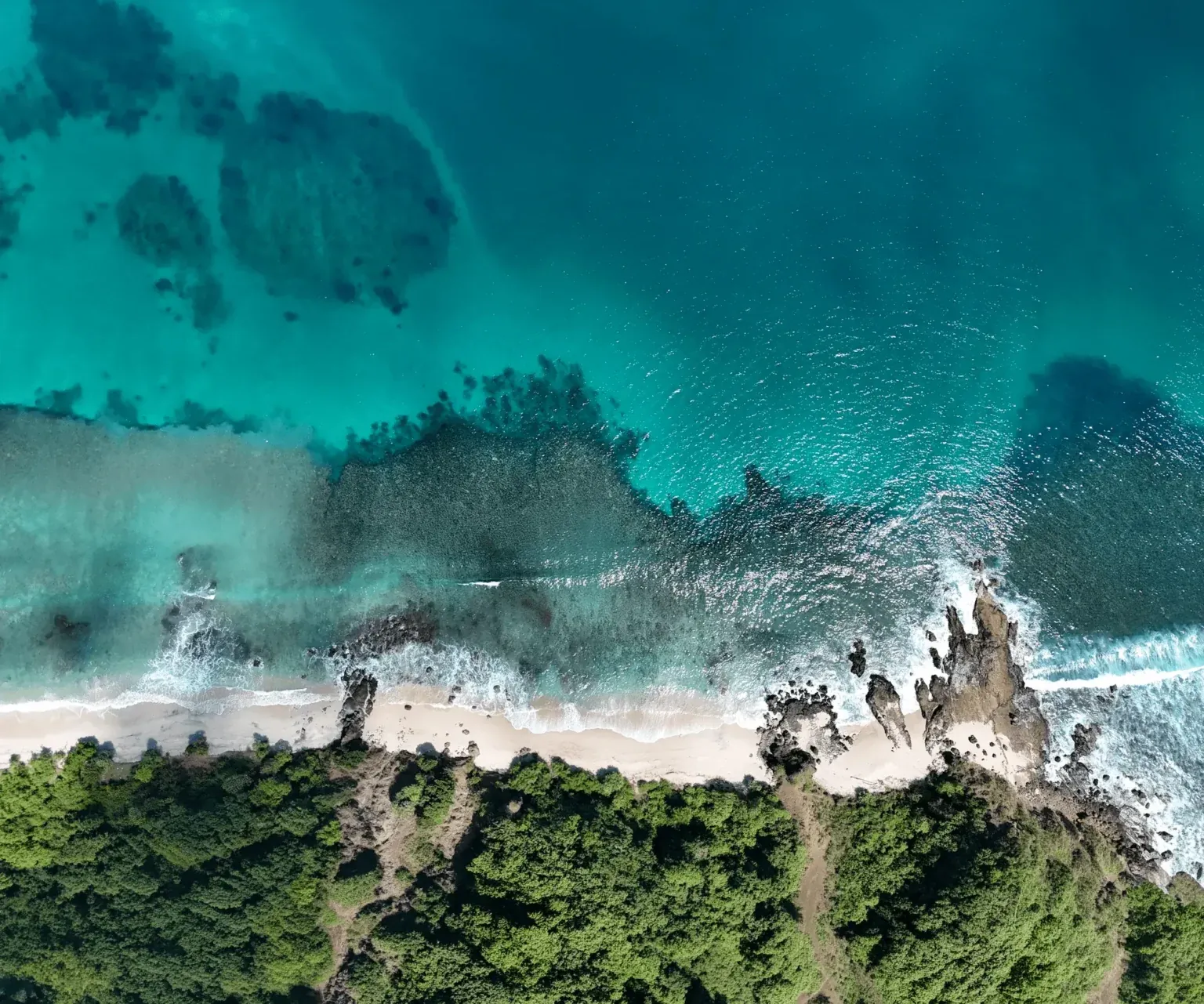
Surf & coast West Sumbawa guide
The southwest coast of Sumbawa has some of the best-known reef breaks in Indonesia, with far fewer people than Bali or Lombok.
West Sumbawa's coast between Jelenga, Maluk and Sekongkang faces the Indian Ocean swells that reach Bali and Lombok, but sees a fraction of the visitors. A handful of reef breaks here have a long reputation among travelling surfers, and a few gentler waves suit people who are still learning. This guide covers the main spots in the west of the island. Lakey Peak and the other breaks around Dompu are on the far side of Sumbawa, a long drive away, and are a separate trip.
When to go
The main surf season runs from about April to October, during the dry season, when swells from the south and southwest arrive regularly. Surf guides put the most consistent months at May to September, with good sessions possible in April and October. Southeast trade winds blow through the dry season and are offshore at some breaks and onshore at others, so mornings are usually the cleanest time to surf. The wet season brings smaller, less reliable swell and more variable winds.
Supersuck
Supersuck is the wave that put the area on surf maps. It is a fast, hollow left that breaks in the Maluk area over a shallow reef shelf. Surf guides describe it as a wave for advanced surfers only. It needs a solid southwest swell and is surfed from mid to high tide. At low tide the inside reef becomes too shallow to surf safely.
The take-off zone is narrow and gets crowded when the wave is working. If you are not comfortable in heavy barrels over shallow reef, watch it from the beach and surf elsewhere.
Scar Reef
Scar Reef breaks near Jelenga, about 30 minutes north of Maluk. It is a long left over shallow, sharp reef, and the name is a fair warning. Guides recommend it for advanced surfers, with the best conditions on a solid southwest groundswell and light east to southeast winds. Published guides disagree about the best tide, so ask local surfers or a surf camp on the day rather than relying on one source.
Yo-Yo's (Rantung Beach)
Yo-Yo's breaks at Rantung Beach in Sekongkang Bawah, which locals also call Yoyo Beach. It handles a wide range of swell and is often the place to go when the heavier reefs are too small. On small and medium days surf guides list it as suitable for intermediate surfers and, with care, improving beginners. On bigger days it becomes a serious wave. Rantung has also hosted surf competitions.
Tropicals
Tropicals breaks off Tropical Beach, a short distance from Yo-Yo's. It offers lefts and rights over reef and is generally described as an intermediate wave, best from mid to high tide. It is a useful alternative when Yo-Yo's is crowded.
Beaches for non-surfers
Not everyone in a group will want to surf. Maluk Beach sits between two headlands, which keeps the water calmer, and it is popular with local families. Benete, near the harbour used by the region's large copper and gold mine, is known for its sunsets. Lawar Beach in Sekongkang is quieter and harder to find.
Where to base yourself by level
The breaks are close enough to share a base, but where you sleep still shapes your days. Advanced surfers chasing Supersuck tend to stay around Maluk so they can check the wave at first light and paddle out when the tide is right. Intermediate surfers often prefer Sekongkang, closer to Yo-Yo's and Tropicals, where there are more options on smaller days. Scar Reef is a short drive from either. If your group includes non-surfers, Maluk's calmer beach and services make it the easier choice.
Plan surf sessions around the tide chart rather than the clock. The reef breaks change character quickly as the water drops, and a session that is fun at mid tide can be dangerous an hour later.
What to bring
Most visiting surfers bring two boards: a shortboard for everyday conditions and a slightly longer step-up for heavy days at the reef breaks. On small days at Yo-Yo's, a fuller board makes the session more fun. Pack reef booties, a rash vest or light spring suit for sun and reef protection, reef-safe sunscreen and a basic first aid kit with antiseptic for coral cuts.
Safety on shallow reefs
- Reef cuts: clean them thoroughly and keep them dry. Coral cuts infect easily in the tropics. Reef booties help at low tide.
- Distance to care: the area has clinics, but serious injuries may mean a long transfer to a larger hospital. Travel insurance that covers surfing and medical evacuation is worth having.
- Do not paddle out alone at the heavier breaks, and tell someone where you are going.
- Respect the line-up. Local surfers and long-stay visitors surf here every day. Wait your turn and follow the usual etiquette.
- Bring spares. Surf shops are few, so carry a repair kit, spare leash and fins.
Getting there and staying
From Lombok, take the ferry from Kayangan to Poto Tano, then drive south through Taliwang towards Jelenga, Maluk and Sekongkang. Our Lombok to Sumbawa ferry guide explains tickets and timing. Maluk grew around the nearby mining operation, so it has more shops, accommodation and services than many rural parts of Sumbawa. Surf camps and guesthouses are spread along the coast between Jelenga and Sekongkang.
What surf access means for land buyers
Surf is one of the main reasons people look at land on this coast, whether for a private base or a small surf stay. A few points are worth thinking through before buying:
- Distance to the breaks you would actually surf. A plot within a short drive of Yo-Yo's and Tropicals suits a wider range of guests than one close only to an expert wave.
- Seasonality. Surf demand peaks in the dry season. Plan how a surf stay would cover costs in the wet months.
- Coastal rules. Beachfront land is subject to coastal setbacks that limit where you can build. Our guide to PBG, SLF and coastal setbacks explains the rules.
- Road and services. Check the access road, power and water at the exact site, not just in the nearest town.
Further north along the same coast, Kertasari and Moro Bay offer quieter bays and larger plots. Our guide to choosing land for a villa, surf stay or boutique resort covers how to match a site to a business plan.
Surf note: Wave descriptions here summarise published surf guides. Conditions change with swell, tide and sandbanks. Get local advice before paddling out at any reef break.
Sources
- Indonesian Surf Guide: Super Sucks
- Indonesian Surf Guide: Scar Reef
- Perfect Wave Travel: Sumbawa surf guide
- Rapture Camps: Surfing in Sumbawa
- The Jakarta Post: Five beaches to visit in West Sumbawa
Property examples to compare
Coastal plots on the same side of the island include Glampar Beachfront Land, Kertasari, 67 Are, 26 Ha Beachfront Land in Kertasari and 2 Ha Summit Land in Moro Bay. Ask our team about driving times from each plot to the surf breaks.
Looking for land near the surf?
Tell us which breaks you want to be close to and how you plan to use the land. We will shortlist plots and the questions to check on site.
Editorial note: Surf information on this page summarises published guides and was checked in November 2026. Ocean conditions are variable. Surf within your ability and seek local advice.
